Tools
Doctors Tested the Most Talked-About Anti-Aging Ingredients. One Formula Quietly Outperformed the Rest.
Verified by a board-certified physician
Verified by a board-certified physician
Clinical analysis of skincare ingredients, formulations, and product claims.
Clinical analysis of skincare ingredients, formulations, and product claims.
Clinical takeaway
The article is now framed around mechanism, tolerability, and realistic outcomes — the three signals that build physician-led credibility before the product recommendation appears.
The modern skincare market has become increasingly difficult to evaluate rationally.
Every month, a new “miracle” ingredient appears across TikTok, Meta ads, Sephora shelves, and celebrity routines — often accompanied by dramatic before-and-after photos, vague promises of “glow,” and language that sounds scientific without actually saying much at all.
As a physician, I’m less interested in trends and more interested in mechanisms.
What actually improves skin function?
What supports long-term skin quality at the cellular level?
And perhaps most importantly: what ingredients are capable of producing visible changes without relying on irritation, temporary swelling, or cosmetic tricks?
Limited advertorial offer
A3O™ Elemental Serum
$108 subscription · $135 one-time
Subscribe today and save 20%
Cancel anytime
Photostable antioxidant defense
Sensitive-skin tested
Hydrates and supports barrier
Vegan · Cruelty-Free
Claim 20% Off
Free shipping · 30-day satisfaction guarantee
Over the past several months, I reviewed many of the most commercially popular anti-aging ingredients and topical approaches currently dominating the skincare conversation — including vitamin C, retinoids, peptides, exfoliating acids, growth factors, and newer “longevity”-positioned actives.
Some held up better than others.
But one formulation in particular stood out for a reason that surprised me: it approached skin aging from an entirely different biological angle.
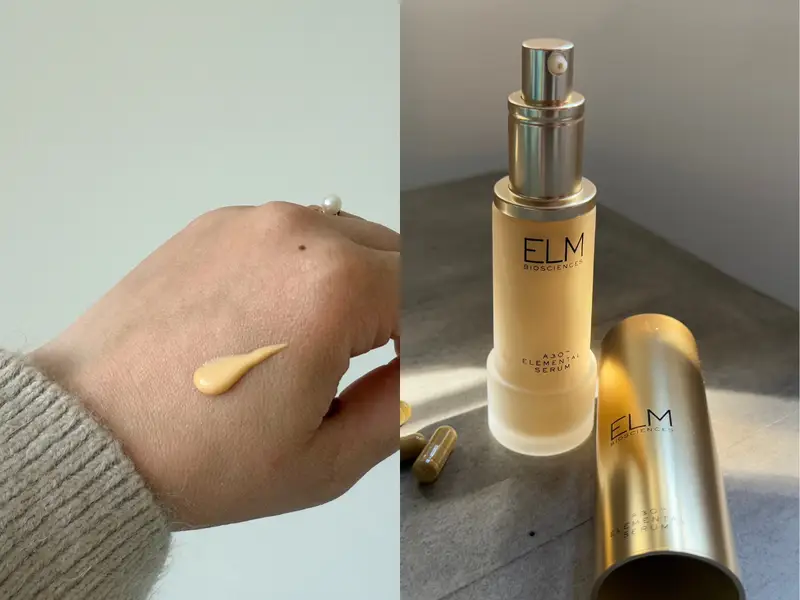
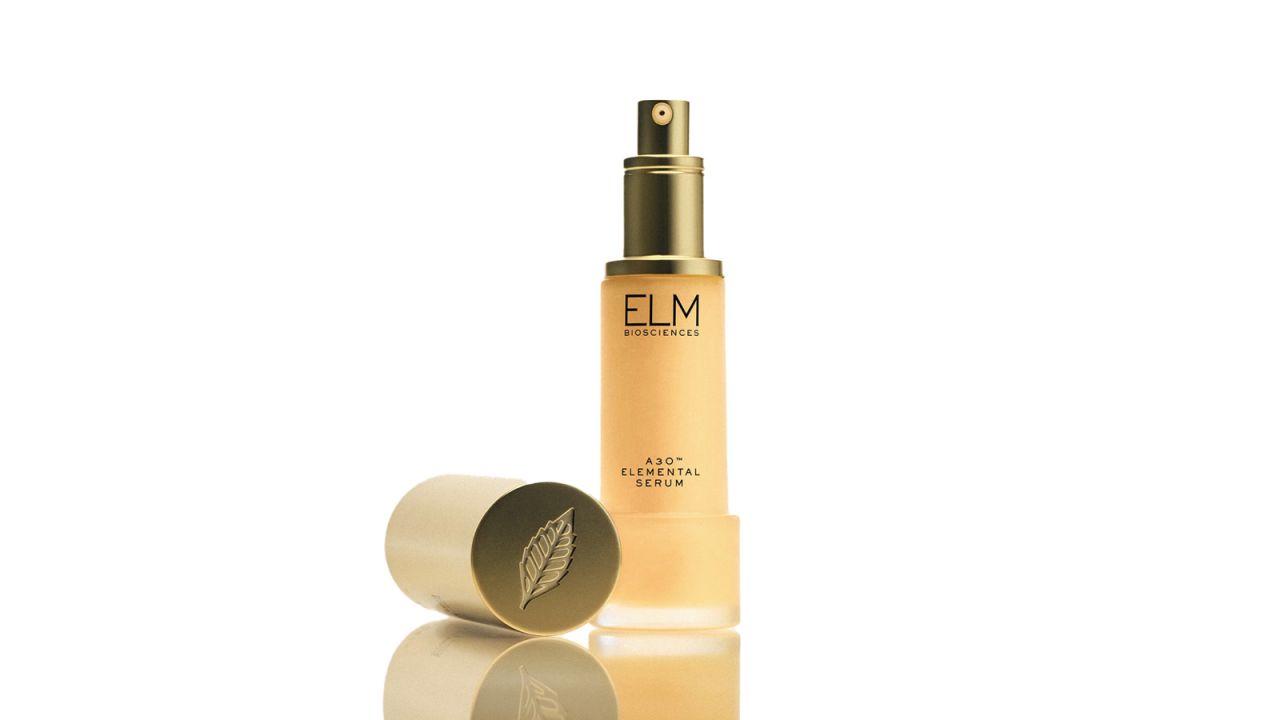
That product was the A3O™ Elemental Serum from Elm Biosciences.
The Problem With Most “Anti-Aging” Skincare
Most skincare products focus on downstream symptoms.
Dryness.
Texture.
Fine lines.
Redness.
Pigmentation.
Those concerns matter, of course. But many formulations attempt to improve appearance by creating controlled irritation or aggressive turnover — which can sometimes leave skin temporarily looking brighter while simultaneously compromising the skin barrier.
This is especially common with:
Strong exfoliating acids
Overused retinoids
Harsh vitamin C formulations
Fragrance-heavy “active” products
In practice, many patients end up in a cycle of overcorrection:
They damage the barrier trying to improve the skin, then buy additional products to calm the irritation created by the first product.
Clinically, healthier skin tends to look different than “overworked” skin.
Healthy skin generally appears:
More even in tone
Better hydrated
Less inflamed
More resilient
Smoother in texture
More reflective naturally, not artificially
That distinction matters.
Why A3O™ Caught My Attention
What made the A3O™ Elemental Serum interesting was not flashy branding or exaggerated claims.
It was the underlying biological premise.
Rather than functioning primarily as an exfoliant or aggressive resurfacing treatment, the serum is built around a proprietary molecule called A3O™, which was developed to support the skin’s natural oxidative defense systems.
In simpler terms:
The formula is designed to help skin better manage oxidative stress — one of the major contributors to visible skin aging.
Oxidative stress is associated with:
Environmental damage
Loss of elasticity
Uneven tone
Dullness
Fine lines
Barrier dysfunction
This is not a new concept scientifically. What’s different is the delivery approach.
Most antioxidant skincare relies on unstable ingredients that degrade quickly or require highly acidic formulations that can irritate sensitive skin.
The A3O™ approach attempts to support the skin differently — with a formulation strategy designed around stability, tolerability, and barrier support.
That distinction is meaningful, especially for patients who cannot tolerate aggressive actives long-term.
What I Look For In An Anti-Aging Serum
When evaluating skincare clinically, I generally look at five categories:
1. Ingredient Logic
Do the ingredients make biological sense together?
Many products simply stack trendy actives without considering irritation potential or formulation stability.
The A3O™ Elemental Serum appears intentionally designed around compatibility and tolerability rather than shock-value concentration claims.
2. Barrier Respect
One of the biggest misconceptions in skincare is that irritation equals effectiveness.
In reality, chronic inflammation often accelerates visible aging over time.
A product that patients can use consistently — without redness, peeling, or sensitization — is often more valuable than one that produces dramatic short-term reactions.
3. Clinical Plausibility
Consumers are increasingly sophisticated.
They want to know:
Why an ingredient works
Whether it has evidence behind it
Whether claims are measurable
The A3O™ platform is notable because its positioning is grounded more heavily in oxidative biology and skin resilience than superficial marketing language.
4. Cosmetic Elegance
This sounds less important than it is.
Patients do not continue using products they dislike applying.
Texture, finish, layering compatibility, and wearability matter significantly for adherence.
The serum absorbs cleanly and layers well without the heavy silicone feel common in many prestige formulations.
5. Long-Term Skin Quality
This is ultimately the goal.
Not temporary brightness.
Not overnight “glass skin.”
Not aggressive resurfacing.
But healthier-looking skin over time.
That generally requires consistency, not intensity.
The Real Question: Is A $150 Serum Worth It?
The honest answer is: sometimes yes, often no.
Many prestige skincare products are expensive primarily because of branding, packaging, celebrity affiliation, or retailer positioning.
But in some cases, higher pricing reflects:
More complex formulation work
Ingredient stability engineering
Clinical testing
Specialized manufacturing
Lower-irritation delivery systems
The A3O™ Elemental Serum falls closer to the latter category.
Would I recommend it to every patient? No.
But for individuals specifically interested in:
Preventative skin aging support
Barrier-conscious skincare
Antioxidant-focused routines
More elegant alternatives to harsh active cycling
Science-led formulations with lower irritation potential
…it is one of the more compelling products I’ve evaluated recently.
What Results Are Realistic?
No topical serum will make someone look 20 years younger.
Any product claiming that should be viewed skeptically.
But realistic improvements from a well-formulated serum may include:
Better hydration retention
More even tone
Reduced visible dullness
Improved skin texture
Greater skin comfort
Healthier overall appearance over time
Most meaningful skincare outcomes occur gradually over consistent use — often over 4 to 8 weeks or longer.
That timeline is normal.
Final Thoughts
The skincare industry often rewards immediacy over physiology.
Products that sting feel “active.”
Products that peel feel “strong.”
Products that create temporary glow are mistaken for long-term skin health.
But clinically, resilience usually ages better than aggression.
That is ultimately why the A3O™ Elemental Serum stood out.
Not because it promised miracles — but because its formulation philosophy appears more aligned with how healthy skin actually functions.
The modern skincare market has become increasingly difficult to evaluate rationally.
Every month, a new “miracle” ingredient appears across TikTok, Meta ads, Sephora shelves, and celebrity routines — often accompanied by dramatic before-and-after photos, vague promises of “glow,” and language that sounds scientific without actually saying much at all.
As a physician, I’m less interested in trends and more interested in mechanisms.
What actually improves skin function?
What supports long-term skin quality at the cellular level?
And perhaps most importantly: what ingredients are capable of producing visible changes without relying on irritation, temporary swelling, or cosmetic tricks?
Limited advertorial offer
A3O™ Elemental Serum
$108 subscription · $135 one-time
Subscribe today and save 20%
Cancel anytime
Photostable antioxidant defense
Sensitive-skin tested
Hydrates and supports barrier
Vegan · Cruelty-Free
Claim 20% Off
Free shipping · 30-day satisfaction guarantee
Over the past several months, I reviewed many of the most commercially popular anti-aging ingredients and topical approaches currently dominating the skincare conversation — including vitamin C, retinoids, peptides, exfoliating acids, growth factors, and newer “longevity”-positioned actives.
Some held up better than others.
But one formulation in particular stood out for a reason that surprised me: it approached skin aging from an entirely different biological angle.
That product was the A3O™ Elemental Serum from Elm Biosciences.
The Problem With Most “Anti-Aging” Skincare
Most skincare products focus on downstream symptoms.
Dryness.
Texture.
Fine lines.
Redness.
Pigmentation.
Those concerns matter, of course. But many formulations attempt to improve appearance by creating controlled irritation or aggressive turnover — which can sometimes leave skin temporarily looking brighter while simultaneously compromising the skin barrier.
This is especially common with:
Strong exfoliating acids
Overused retinoids
Harsh vitamin C formulations
Fragrance-heavy “active” products
In practice, many patients end up in a cycle of overcorrection:
They damage the barrier trying to improve the skin, then buy additional products to calm the irritation created by the first product.
Clinically, healthier skin tends to look different than “overworked” skin.
Healthy skin generally appears:
More even in tone
Better hydrated
Less inflamed
More resilient
Smoother in texture
More reflective naturally, not artificially
That distinction matters.
Why A3O™ Caught My Attention
What made the A3O™ Elemental Serum interesting was not flashy branding or exaggerated claims.
It was the underlying biological premise.
Rather than functioning primarily as an exfoliant or aggressive resurfacing treatment, the serum is built around a proprietary molecule called A3O™, which was developed to support the skin’s natural oxidative defense systems.
In simpler terms:
The formula is designed to help skin better manage oxidative stress — one of the major contributors to visible skin aging.
Oxidative stress is associated with:
Environmental damage
Loss of elasticity
Uneven tone
Dullness
Fine lines
Barrier dysfunction
This is not a new concept scientifically. What’s different is the delivery approach.
Most antioxidant skincare relies on unstable ingredients that degrade quickly or require highly acidic formulations that can irritate sensitive skin.
The A3O™ approach attempts to support the skin differently — with a formulation strategy designed around stability, tolerability, and barrier support.
That distinction is meaningful, especially for patients who cannot tolerate aggressive actives long-term.
What I Look For In An Anti-Aging Serum
When evaluating skincare clinically, I generally look at five categories:
1. Ingredient Logic
Do the ingredients make biological sense together?
Many products simply stack trendy actives without considering irritation potential or formulation stability.
The A3O™ Elemental Serum appears intentionally designed around compatibility and tolerability rather than shock-value concentration claims.
2. Barrier Respect
One of the biggest misconceptions in skincare is that irritation equals effectiveness.
In reality, chronic inflammation often accelerates visible aging over time.
A product that patients can use consistently — without redness, peeling, or sensitization — is often more valuable than one that produces dramatic short-term reactions.
3. Clinical Plausibility
Consumers are increasingly sophisticated.
They want to know:
Why an ingredient works
Whether it has evidence behind it
Whether claims are measurable
The A3O™ platform is notable because its positioning is grounded more heavily in oxidative biology and skin resilience than superficial marketing language.
4. Cosmetic Elegance
This sounds less important than it is.
Patients do not continue using products they dislike applying.
Texture, finish, layering compatibility, and wearability matter significantly for adherence.
The serum absorbs cleanly and layers well without the heavy silicone feel common in many prestige formulations.
5. Long-Term Skin Quality
This is ultimately the goal.
Not temporary brightness.
Not overnight “glass skin.”
Not aggressive resurfacing.
But healthier-looking skin over time.
That generally requires consistency, not intensity.
The Real Question: Is A $150 Serum Worth It?
The honest answer is: sometimes yes, often no.
Many prestige skincare products are expensive primarily because of branding, packaging, celebrity affiliation, or retailer positioning.
But in some cases, higher pricing reflects:
More complex formulation work
Ingredient stability engineering
Clinical testing
Specialized manufacturing
Lower-irritation delivery systems
The A3O™ Elemental Serum falls closer to the latter category.
Would I recommend it to every patient? No.
But for individuals specifically interested in:
Preventative skin aging support
Barrier-conscious skincare
Antioxidant-focused routines
More elegant alternatives to harsh active cycling
Science-led formulations with lower irritation potential
…it is one of the more compelling products I’ve evaluated recently.
What Results Are Realistic?
No topical serum will make someone look 20 years younger.
Any product claiming that should be viewed skeptically.
But realistic improvements from a well-formulated serum may include:
Better hydration retention
More even tone
Reduced visible dullness
Improved skin texture
Greater skin comfort
Healthier overall appearance over time
Most meaningful skincare outcomes occur gradually over consistent use — often over 4 to 8 weeks or longer.
That timeline is normal.
Final Thoughts
The skincare industry often rewards immediacy over physiology.
Products that sting feel “active.”
Products that peel feel “strong.”
Products that create temporary glow are mistaken for long-term skin health.
But clinically, resilience usually ages better than aggression.
That is ultimately why the A3O™ Elemental Serum stood out.
Not because it promised miracles — but because its formulation philosophy appears more aligned with how healthy skin actually functions.
Use this serum if your priority is long-term skin resilience — not an overnight peel effect.
You want an antioxidant-led routine that respects the skin barrier.
You prefer gradual, measurable improvement over aggressive resurfacing.
You need a recommendation that feels clinically reasoned, not hype-driven.
Physician recommended
Ready to compare the recommendation against the criteria above?
See product
PHYSICIAN.ORG RECOMMENDED
Why readers are switching to A3O™ Elemental Serum
A clinician-reviewed antioxidant formula positioned for daily skin defense, barrier support, and a simpler morning routine.
Today’s reader-only offer is active
Includes free shipping and a 30-day satisfaction window. Availability may change after this article session.
Photostable antioxidant defense for daily exposure
Sensitive-skin tested and designed for routine use
Hydrates while supporting the skin barrier
Dermatologist-founded brand with clean checkout
Check Availability & Claim Offer
Secure checkout · Free shipping · 30-day satisfaction window

CLINICALLY VERIFIED
This content is for informational purposes only and does not constitute medical advice. Statements regarding products discussed have not been evaluated by the FDA unless explicitly stated otherwise.
Get weekly doctor-reviewed health insights that help you make more informed everyday decisions
Join 89,000 subscribers!
By signing up, you agree to our Privacy Policy
Join a community of 89,000 Americans taking charge of their health
Join 89,000 subscribers
Limited advertorial offer
A3O™ Elemental Serum
Clinically Verified
$108 subscription · $135 one-time
Cancel anytime
Photostable antioxidant defense
Sensitive-skin tested
Hydrates and supports barrier
Vegan · Cruelty-Free
Unlock Offer
Free shipping · 30-day satisfaction guarantee
Board-certified physician review
Evidence-minded product selection
Exclusive offer for Physician.org readers