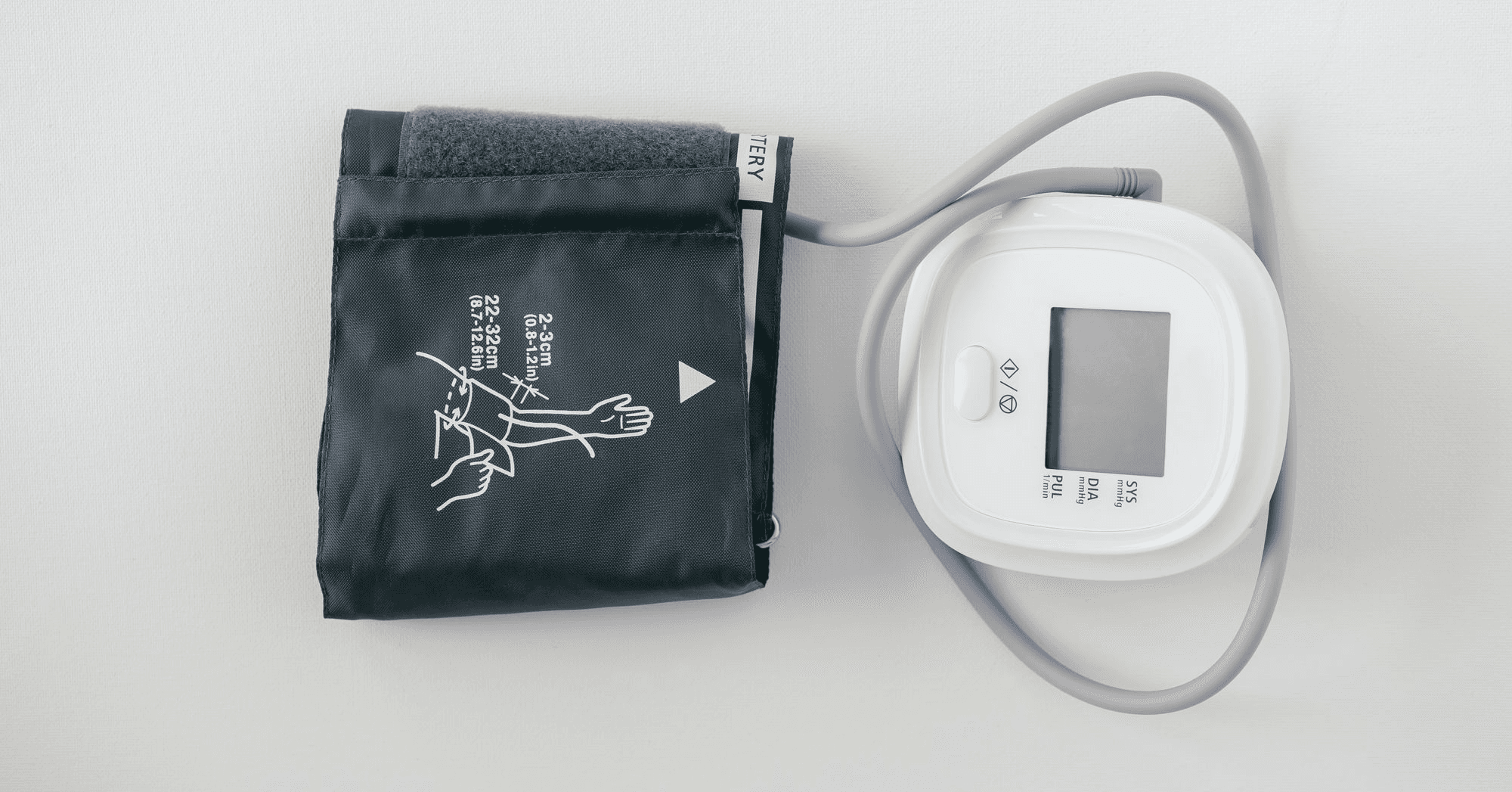
High Blood Pressure: What Your Numbers Actually Mean
High blood pressure rarely causes symptoms, so about 1 in 6 U.S. adults don't know they have it. What your numbers mean and what actually lowers them.
CLINICAL TAKEAWAY
High blood pressure has no reliable symptoms. The only way to know your numbers is to measure them.¹
One high reading is not a diagnosis. Doctors look at a pattern of readings over time, ideally including some taken at home.³ ⁴
You do not need medication to start lowering it. Weight, diet, sodium, activity, and alcohol each move the number — often enough, in milder cases, to avoid pills entirely.⁵
IN 30 SECONDS…
The most important thing to know about high blood pressure is that it almost never makes you feel sick. That is exactly why it is dangerous. It can strain your heart, arteries, and kidneys for years while you feel completely fine. That is why doctors trust the number on the cuff, not how you feel, to tell them what is happening.¹ ²
What Doctors Want You to Understand
Blood pressure is the force your blood pushes against your artery walls. It is written as two numbers, like 128/78. The top number (systolic) is the push when your heart beats. The bottom number (diastolic) is the push when your heart rests between beats.⁵
Here is what a good doctor wants you to grasp first: high blood pressure is not a disease you feel. It is a risk you carry. Nearly half of U.S. adults — 48.1%, about 119.9 million people — have it.¹ Worldwide, an estimated 1.4 billion adults do.² Most of the damage it causes happens silently, over years, before any symptom appears.
That changes how you should think about the whole condition. With most health problems, the symptom is the alarm. You feel bad, so you act. High blood pressure removes that alarm. About 1 in 6 U.S. adults who have it do not know they do.¹ That is not carelessness. It is the nature of the condition — nothing hurts, so nothing prompts a visit.
So doctors treat the number itself as the warning. The point of measuring is to catch the strain early, while it is still just a number and not yet a heart attack, a stroke, or failing kidneys.²
What Do Your Blood Pressure Numbers Mean?
In the United States, the 2025 American Heart Association and American College of Cardiology guideline sorts blood pressure into four ranges.⁵
Normal: below 120 and below 80
Elevated: 120 to 129, and below 80
Stage 1 high blood pressure: 130 to 139, or 80 to 89
Stage 2 high blood pressure: 140 or higher, or 90 or higher
Notice that a reading counts as high if either number is up. Your systolic can be fine while your diastolic is not, and that still matters.⁵
But here is the part most charts leave out: these lines are judgment calls, not laws of nature. The U.S. guideline diagnoses high blood pressure at 130/80.⁵ The U.K.'s NICE guideline uses 140/90.³ Same human bodies, different lines drawn by different expert panels weighing the same evidence. Neither is wrong. The number where "normal" becomes "high" reflects how aggressively a health system chooses to act early — not a switch that flips inside your arteries.
The number to remember is your own pattern, not a single reading.
WHAT YOUR DOCTOR IS LOOKING FOR
Your doctor is rarely reacting to one reading. They are watching for:
A pattern, not a spike. Blood pressure rises when you are anxious, in pain, cold, or rushing. One high number at a stressful visit means little on its own.³
Readings away from the clinic. Many people run higher at the doctor's office ("white coat" effect) and normal at home — or the reverse. Home and 24-hour monitors often tell the truer story, which is why guidelines lean on them to confirm a diagnosis.³
Which number is high, and by how much. Systolic pressure tends to matter more as people age. A wide gap between the two numbers can carry its own meaning.⁵
The rest of your risk. The same reading is treated differently depending on your age, kidney function, diabetes, cholesterol, and smoking. The number is one input, not the whole decision.⁵
How Is High Blood Pressure Diagnosed?
A diagnosis is almost never made from one cuff reading in one visit. That single measurement is a snapshot, and blood pressure moves constantly.³
Good practice looks like this. Your blood pressure is measured properly — you seated and quiet for a few minutes, arm supported, correct cuff size, no rushing.³ If it is up, your doctor usually asks for more readings before calling it a diagnosis. Often that means measurements at home over a week or two, or a 24-hour monitor you wear on your arm.³
This matters because home and daytime readings run about 5 points lower than clinic readings for the same person.³ A clinic reading of 140/90 lines up with a home average closer to 135/85. Your doctor knows this and adjusts. It is why the home number your monitor shows is not directly comparable to the office one. Bringing a log of home readings to your appointment is genuinely useful.
The awareness gap is real and worth naming. Among U.S. adults who have high blood pressure, only about 59% are even aware of it.⁴ You cannot manage a number you have never seen.
What Actually Lowers Blood Pressure
If your numbers are high, the most useful thing to understand is that lifestyle changes are not a warm-up act before "real" treatment. For elevated and many Stage 1 cases, they are the treatment — and each one has a measurable effect.⁵
These are the changes with the strongest evidence, roughly in order of impact:
Lose excess weight. If you are above a healthy weight, losing even 5% of your body weight meaningfully lowers blood pressure — on the order of about 5 points of systolic pressure.⁵
Follow a DASH-style diet. DASH means more vegetables, fruit, whole grains, and low-fat dairy, and less salt, red meat, and sugar. In people with high blood pressure, this eating pattern can lower systolic pressure by up to about 11 points — an effect in the range of a single medication.⁵
Cut sodium. Working toward less than 1,500 mg of sodium a day can lower systolic pressure by roughly 5 to 6 points. Most of that sodium is hiding in packaged and restaurant food, not the salt shaker.⁵
Move more. Regular activity lowers systolic pressure by about 4 to 8 points. It does not require a gym; consistent walking counts.⁵
Rethink alcohol. Cutting back if you drink heavily lowers blood pressure and improves overall heart risk.⁵
Stack a few of these and the effect adds up. That is why, for milder high blood pressure, guidelines call for trying 3 to 6 months of lifestyle change before starting medication in lower-risk people.⁵
Medication is clearly needed for Stage 2, and for many people whose overall risk is higher. It works. Today's guidelines favor simple regimens, sometimes combining two medicines in a single pill.⁵ The goal for most adults is to get below 130/80.⁵ Medication is not a failure of willpower. For many people, biology sets a level that lifestyle alone will not fully reach.
WHAT CHANGES THE DECISION
Two people with the same reading can get different advice. What shifts it:
Your overall heart risk. Doctors now use a calculator (the AHA's PREVENT tool) that weighs your age, cholesterol, diabetes, kidney function, and more. Higher overall risk means treating the same number more aggressively.⁵
Diabetes or kidney disease. These raise the stakes of every point of blood pressure and often lower the target.⁵
Age and frailty. Targets are individualized for older or more fragile patients, where aggressive lowering can cause its own harm.⁵
How high it is right now. Stage 1 may start with lifestyle; Stage 2 usually starts medication and lifestyle together, at once.⁵
What you can sustain. The best plan is the one you will actually follow — diet, cost, side effects, and daily routine all count.⁵
When Is High Blood Pressure an Emergency?
Most high blood pressure is managed calmly over months. But a very high reading with certain symptoms is different and needs same-day care.
Seek urgent care if a blood pressure reading is 180/120 or higher and you have warning symptoms. Those include chest pain, shortness of breath, sudden weakness or trouble speaking, vision changes, or a severe headache.³ That combination can signal active damage to the heart, brain, or kidneys.
A reading that high with no symptoms still needs prompt attention. Recheck after a few minutes of rest, then contact your doctor. But the symptoms are what turn a high reading into an emergency.³
What to Ask Your Doctor
Bring these to your next appointment. They are specific enough to actually change what happens.
What is my blood pressure pattern over time — not just today's reading?
Should I be tracking my blood pressure at home, and if so, how often and at what times?³
What is my overall cardiovascular risk, and did you use the PREVENT calculator to estimate it?⁵
Given my numbers and risk, is it reasonable to try lifestyle changes first, or do I need medication now?⁵
What is the specific blood pressure target you want me to reach?⁵
QUESTIONS WORTH ASKING
"Is my home monitor validated and the right cuff size?" An inaccurate cuff makes every reading meaningless.³
"Which of the lifestyle changes would move my number the most?" The answer depends on your starting point.⁵
"If I start medication, is a single-pill combination an option for me?"⁵
"How will we know if the plan is working, and when should we reassess?"⁵
Common Questions
Can I have high blood pressure and feel completely fine?
Yes — and most people do. High blood pressure usually causes no symptoms at all, which is why it goes undetected in about 1 in 6 U.S. adults who have it.¹ Feeling fine tells you nothing about your numbers. Only measurement does.
Does a single high reading mean I have high blood pressure?
No. Blood pressure rises with stress, pain, caffeine, and even a rushed morning. A diagnosis rests on a pattern of readings over time, usually including some taken at home or over 24 hours — not one number at one visit.³
Why does my home monitor read lower than the doctor's office?
This is expected. Home and daytime readings run about 5 points lower than clinic readings for most people, partly because clinics are stressful.³ Your doctor interprets home numbers against a lower threshold, so don't assume the office reading is the "real" one.
Can I lower my blood pressure without medication?
Often, yes — especially for elevated or Stage 1 readings. Losing excess weight, a DASH-style diet, less sodium, more activity, and less alcohol each lower blood pressure, and together they can add up to the effect of a medication.⁵ Guidelines recommend trying these first in lower-risk people. Higher readings and higher overall risk usually need medication too.⁵
Is 130/80 really "high"? My friend’s doctor said 140/90.
Both can be right. The U.S. guideline sets the line at 130/80; the U.K.’s sets it at 140/90.³ ⁵ They are drawn from the same evidence but reflect different choices about how early to intervene. What matters is your own trend and your overall risk, which your doctor weighs together.
Know someone this guide could help?
High blood pressure rarely causes symptoms, so about 1 in 6 U.S. adults don't know they have it. What your numbers mean and what actually lowers them.
Clinical Sources & Citations
Every guide is backed by peer-reviewed research and leading U.S. medical authorities
The information on Physician.org is provided for educational and informational purposes only and is not intended as, or a substitute for, professional medical advice, diagnosis, or treatment. Always seek the advice of a physician or other qualified healthcare provider with questions regarding a medical condition or treatment. Statements regarding products discussed have not been evaluated by the U.S. Food and Drug Administration unless expressly stated otherwise.